Vitamin D sufficiency, a serum 25- hydroxyvitamin D at least 30 ng/mL reduced risk for adverse clinical outcomes in patients with COVID-19 infection
Vitamin D sufficiency, a serum 25- hydroxyvitamin D at least 30 ng/mL reduced

Vitamin D sufficiency, a serum 25- hydroxyvitamin D at least 30 ng/mL reduced
Impact of Vitamin D Deficiency on COVID-19 - A Prospective Analysis from the
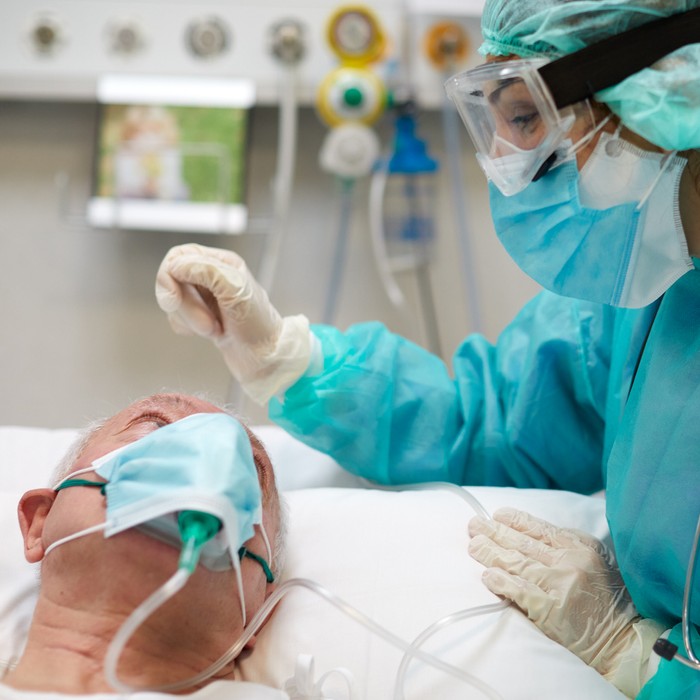
Results of this pilot study support the need for further research to determine if vitamin C and vitamin D status should be assessed upon admission for COVID-19...
Vitamin D deficiency and obesity increases risk of testing positive for COVID-19.
In this retrospective chart review there was no association between vitamin D levels within 1 year of hospital admission for COVID-19 and clinical outcomes.
This retrospective, observational study suggests that there may be an association between vitamin D deficiency on hospital admission and mortality of COVID-19 pneumonia,...
This study investigated the relationships between latitude, age of population, population density and pollution with COVID-19 mortality. The proportion of older people...
Significantly lower serum 25(OH)D concentrations were found in severe COVID-19 patients from Wuhan, China compared to non-severe patients. Vitamin D deficiency (
Large oral doses of vitamin D taken in the year prior to COVID-19 diagnosis were associated with less severe disease and better survival in frail elderly patients in France...
A lower vitamin D status was associated with negative clinical outcomes and decreased survival in hospitalized patients in Iran with COVID-19.